.png)

Everything You Should Know About Repairing Sill Plate Seepage in Westmont
By The Accu-Dry Team | Basement Waterproofing Specialists
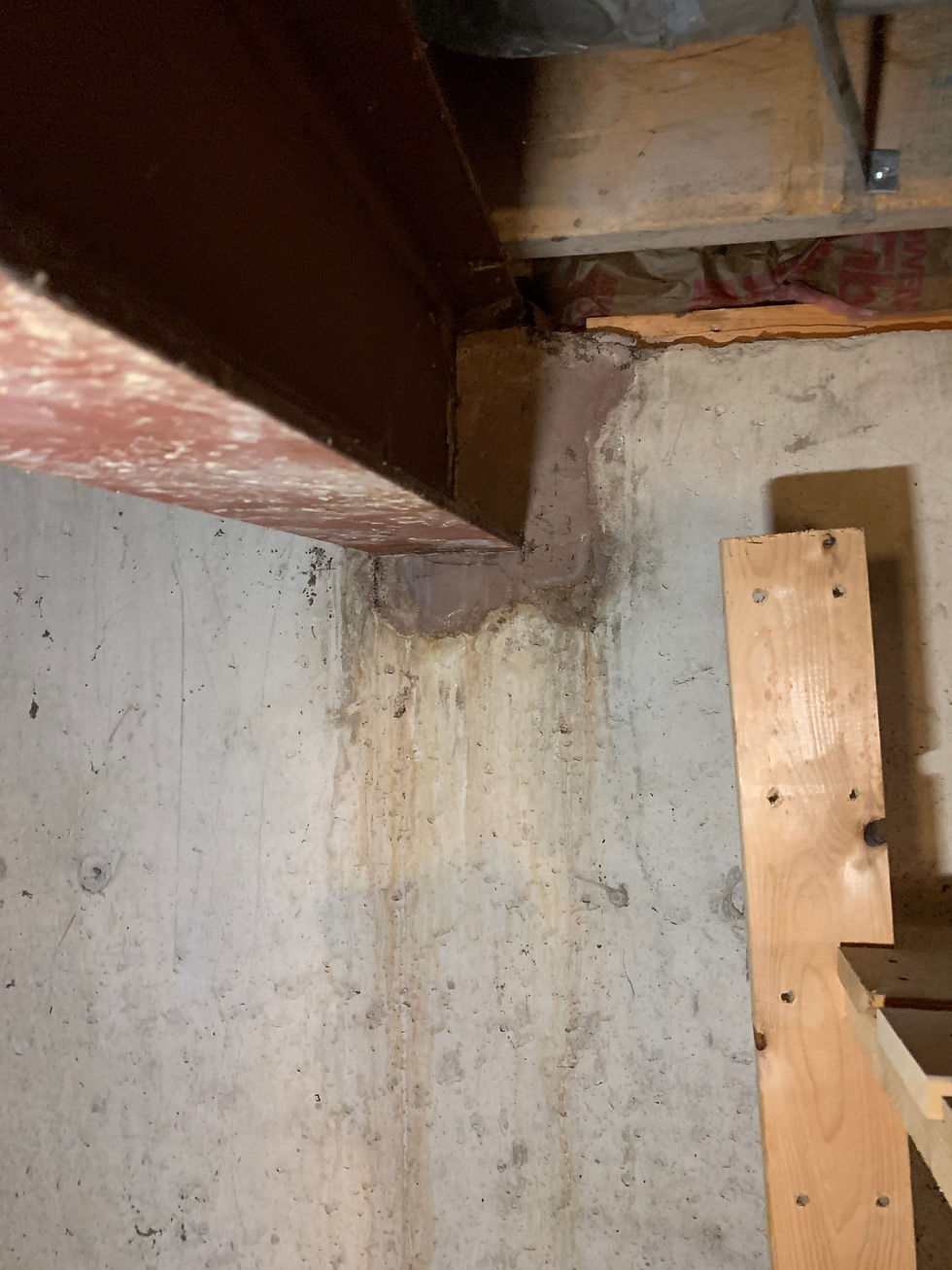
If you've already spotted the signs — staining at the base of the walls, a musty smell near the floor, soft baseboards, or water at the wall-floor joint after rain — you already know you have a sill plate seepage problem. (Not sure yet? Start with our guide: How to Spot Early Signs of Water Leaking Through the Sill Plate.)
What most homeowners want to know next is straightforward: what does fixing it actually involve?
This post answers that. We'll walk through the repair methods Accu-Dry uses, what the process looks like from inspection to completion, when a DIY approach is realistic and when it isn't, and what to look for when choosing a contractor.
Sill Plate Seepage Repair Isn't One-Size-Fits-All
The most important thing to understand before any repair is that sill plate seepage isn't a single problem with a single fix. Water can get to the sill plate through several different routes — hydrostatic pressure pushing up from saturated soil, a crack in the foundation wall, a deteriorated wall-floor joint, or condensation from inadequate rim joist insulation — and the repair needs to match the source.
A contractor who seals the visible crack without addressing the water pressure driving it will leave you with the same problem six months later. The right repair starts with the right diagnosis.
The Repair Methods Accu-Dry Uses
Here's what the repair actually involves, depending on what's driving the seepage:
Wall-Floor Joint Sealing
The joint where the foundation wall meets the floor is one of the most common entry points for water. As concrete cures and settles, a small gap forms — and hydrostatic pressure uses it. Sealing this joint with a hydraulic cement or polyurethane compound stops water at the entry point. This works well when the joint itself is the primary problem and groundwater pressure is manageable.

Foundation Crack Injection
Cracks in the foundation wall — especially vertical or diagonal cracks from settling — allow water to travel directly to the sill plate zone. Foundation crack repair fills the crack from inside using an expanding polyurethane or epoxy compound that bonds with the concrete and creates a watertight seal. This is a targeted fix for cracks that are the primary water pathway.
Interior Drain Tile System
When hydrostatic pressure is the root cause — water pushing through the foundation wall or floor under pressure — sealing the entry point alone isn't enough. The pressure finds another way in. An interior drain tile system addresses the source: a perforated pipe is installed along the basement perimeter below the floor, redirecting groundwater to a sump pit before it ever reaches the wall-floor joint or the sill plate above it. This is the most comprehensive solution for chronic hydrostatic pressure problems and the standard approach for homes that flood repeatedly after heavy rain.
Rim Joist Air Sealing and Insulation
The rim joist sits directly on top of the sill plate, at the top of the foundation wall. In older homes, this area is often uninsulated and poorly air-sealed, which allows warm interior air to meet the cold concrete and condense — feeding moisture directly into the sill plate zone from above. Sealing and insulating the rim joist with closed-cell spray foam cuts off this moisture pathway and also improves the home's energy performance.

Exterior Grading and Drainage Corrections
In some cases, the issue starts well before the wall: ground that slopes toward the foundation funnels every rainstorm directly at the base of the house. Correcting the grade and extending downspout drainage away from the foundation reduces the volume of water the waterproofing system has to manage. This is often recommended alongside interior repairs, not instead of them.

Can You Repair Sill Plate Seepage Yourself?
It depends on what's driving the seepage.
Surface sealing — applying hydraulic cement to a hairline crack or re-caulking a joint — is within reach for a handy homeowner and costs very little. If the crack is minor, the moisture is light, and the source is truly just the surface opening, a DIY seal can hold.
The problem is that most homeowners can't tell from inside the basement whether the seepage is a surface-entry problem or a pressure problem. If you seal a crack that's under hydrostatic pressure, the water finds another path — and the new entry point may be less accessible and more damaging. You've spent money on materials and bought yourself a few months at best.
A professional inspection costs nothing at Accu-Dry and takes the guesswork out of it. If the diagnosis is a simple surface seal, you'll know that. If it's pressure-driven, you'll know what the actual fix involves before you've spent anything on materials.
What the Repair Process Looks Like
Here's what to expect when you call Accu-Dry:
Free Inspection
A technician comes out, walks the basement, and looks at the foundation wall, wall-floor joint, sill plate zone, and any visible evidence of where water is entering. This isn't a sales call — it's a diagnostic. The goal is to identify the source of the seepage before any repair recommendation is made.
Diagnosis and Proposal
After the inspection, Accu-Dry explains what's driving the seepage and what repair options make sense for your specific situation. If there are multiple contributing factors — a cracked wall and a grading problem, for instance — those get addressed together, not in isolation.
The Repair
Depending on the scope, most sill plate seepage repairs are completed in a single visit. Wall-floor joint sealing and crack injection are typically half-day jobs. An interior drain tile installation is more involved — expect a full day or two depending on basement size — and involves cutting a channel along the perimeter, installing the pipe and aggregate, and patching the floor.
Work is done from inside the basement in most cases. You don't need to be out of the house during most repairs, though drain tile installation produces dust and noise.
Follow-Up
After the repair, your technician will walk you through what was done, what to watch for, and what's covered under the warranty. If you notice seepage returning through a repaired area, that's a warranty call.
What to Look for in a Waterproofing Contractor
Sill plate seepage sits at the intersection of foundation work and waterproofing — not every general contractor handles it well. A few things to check before you hire:
They diagnose before they quote. A contractor who gives you a number over the phone without seeing the basement is guessing.
They explain why they're recommending a specific repair method. If the answer is "this is what we do," that's not an answer.
They're licensed, insured, and have local references. Ask specifically about waterproofing work in DuPage County — soil conditions and drainage patterns vary by area.
Their warranty is written, transferable, and specific about what it covers. "Lifetime warranty" means nothing without the written terms.
They've been operating long enough to honor that warranty. Accu-Dry has been serving the Westmont and Downers Grove area since 1990.
Frequently Asked Questions
How long does sill plate seepage repair take?
Most repairs are completed in a single visit. Wall-floor joint sealing and crack injection typically take two to four hours. An interior drain tile installation is more involved — plan on one to two days depending on the size of your basement perimeter.
Do I need to leave my home during sill plate seepage repairs?
For most repairs, no. Crack injection and joint sealing are relatively low-disruption. Interior drain tile installation involves cutting concrete, which creates dust and noise — some homeowners prefer to be out for the day, though it's not required. Your technician will let you know what to expect beforehand.
Does sill plate seepage repair require excavating outside?
In most cases, no. Interior waterproofing methods — drain tile, crack injection, joint sealing — address seepage from inside the basement without disturbing landscaping or the exterior foundation. Exterior excavation is occasionally warranted for specific crack types or severe drainage problems, but it's the exception rather than the rule.
How much does sill plate seepage repair cost?
Cost depends on the source of the seepage and the repair method needed. Contact Accu-Dry for a free basement inspection — the estimate comes after the diagnosis, not before it.
What happens if the sill plate wood is already rotted?
If wood rot in structural lumber has progressed to the point where the sill plate itself is structurally compromised, the rotted section needs to be replaced before waterproofing. Accu-Dry can advise on the scope during inspection. This is why catching seepage early matters — the waterproofing repair at the sill plate stage is far simpler than replacing structural lumber after the fact.
How do I know if my sill plate seepage repair worked?
The clearest indicators are no new staining at the repair area after heavy rain, no musty odor returning, and dry conditions at the wall-floor joint through a wet season. Your technician will also explain what a successful repair looks like in your specific situation and what you're covered for under the warranty if water returns.
If you've been putting off this repair, the wet season is the worst time to find out the problem is bigger than you thought. Accu-Dry offers free basement inspections for homeowners across the Westmont, Downers Grove, and Chicagoland western suburbs area — no obligation, no pressure.
Call (630) 663-4598 or schedule online.
Still figuring out if you have a sill plate problem? Read our companion guide: How to Spot Early Signs of Water Leaking Through the Sill Plate

Comments